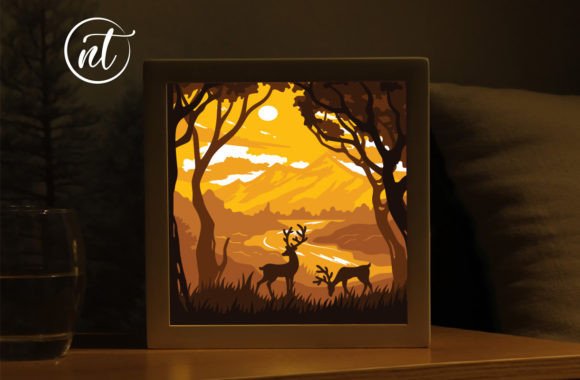
3D Deer Paper Cut SVG Review
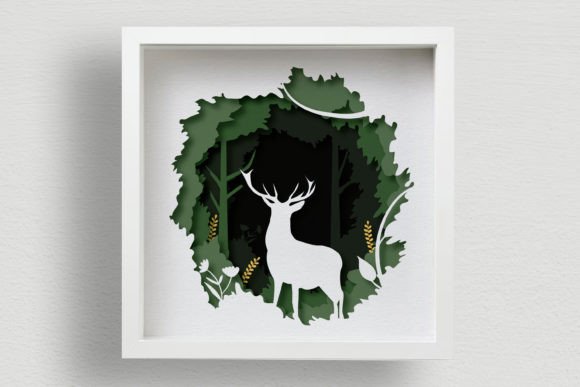
As a designer who spends more time than I care to admit staring at stitch density charts and testing thread tension, I approach every new machine embroidery design with a healthy dose of skepticism. We have all seen designs that look stunning in digital mockups but turn into a tangled mess once they hit the hoop. Today, I am putting the 3D Deer Paper Cut SVG through its paces. This is not just another generic woodland animal file; it is a 3D SVG concept that mimics the aesthetic of layered paper art, specifically designed for shadow box effects. But does it translate well to actual fabric? Can an Etsy seller actually build a profitable line around this? Let’s dig into the practical realities of using this design in real-world projects.
First Impressions: The Mood and Visual Personality
The moment you load this file, the visual personality jumps out at you. Unlike traditional single-layer floral or monogram designs, the 3D Deer Paper Cut SVG relies on depth. It creates a mood that is rustic, elegant, and slightly nostalgic. The layered nature of the deer silhouette suggests a storybook quality, which immediately makes me think of nursery decor or high-end boutique gifts. The layout feels balanced, with enough negative space to breathe but enough detail in the antlers and body contours to hold attention. For a small business owner, this kind of distinct visual identity is gold. It stands out in a crowded marketplace because it doesn’t try to be everything to everyone; it leans hard into the dimensional aesthetic.
This design naturally belongs in projects where texture and depth are celebrated. It feels right at home on a heavy canvas tote bag or a soft fleece sweatshirt. The "paper cut" style implies clean lines and sharp edges, which translates surprisingly well to embroidery if executed correctly. It gives the finished product a modern, curated feel that appeals to customers looking for something more artistic than standard clip-art style embroidery.
Real-World Application: From Screen to Stitch
Let’s talk about how this performs when we move from the computer screen to the sewing room. I recently considered using this design for a custom embroidered patch intended for a client’s denim jacket. The layered look of the 3D Deer Paper Cut SVG would add significant visual weight without feeling bulky. However, the success of this project hinges entirely on how the layers are interpreted during digitizing.
If you are planning to use this as an applique design, the results can be spectacular. By cutting different colored fabrics for each layer and stitching them down, you replicate the paper-cut effect perfectly. This is particularly effective for custom apparel like hoodies or baby onesies where a tactile element adds value. Imagine a baby blanket featuring this deer; the raised layers create a sensory experience that parents love. It transforms a simple gift into a keepsake.
For commercial embroidery projects, such as tote bag design variations for holiday markets, this file offers versatility. You can stitch it in solid colors for a minimalist look or use variegated threads to mimic the shading of paper. When used on sweatshirt embroidery placements, the design anchors the garment beautifully. It works especially well for fall and winter collections, fitting seamlessly into themes of nature, hunting, cabin life, or woodland creatures. As a craft business asset, it opens doors to creating matching sets—perhaps a pillow cover paired with a kitchen towel, both featuring the same layered deer motif.
Where to Exercise Caution
No design is perfect, and the 3D Deer Paper Cut SVG has specific constraints that designers must respect. First and foremost, consider your hoop size. Because the design relies on multiple layers to create depth, shrinking it too small will cause those layers to merge visually, losing the 3D effect entirely. If you are working with a limited hoop size, test the scaling carefully before committing to production.
Fabric choice is equally critical. This design demands stability. Avoid stretchy fabrics like thin jersey or loose knits unless you are using a heavy-duty stabilizer. The tension required to keep the layers flat against the fabric can pucker delicate materials. Similarly, textured fabrics like bouclé or heavy tweed might obscure the fine details of the inner layers. Dark fabric backgrounds can also pose a challenge; if the thread colors do not provide sufficient contrast against the base material, the layered effect will vanish into the background. Always inspect small details by converting your mockup to black and white to ensure legibility.
Furthermore, avoid placing this design on curved surfaces like caps or hats unless you are experienced with multi-hoop techniques. The rigid, geometric nature of the paper-cut style clashes with the organic curves of headwear, potentially leading to misalignment between layers. Also, be mindful of washability. While embroidery is durable, excessive layering can sometimes trap lint or wear faster if low-quality threads are used. For items that need frequent washing, such as kitchen towels or aprons, ensure the stitch density is optimized to prevent fraying.
Practical Designer Notes for Success
To get the most out of this embroidery file, I recommend starting with a test run on scrap fabric. Check the thread color contrast rigorously. The interplay between the layers is what sells the design, so if two adjacent layers are too similar in tone, the depth disappears. Review the stitch density closely; dense areas can become stiff and uncomfortable, especially on garments worn next to the skin. Confirm whether the design includes proper underlay stitches to stabilize the fabric, particularly if you are using lightweight materials.
When preparing for sales, consider how this digital embroidery file fits into your broader catalog. Does it complement your existing design assets? A cohesive brand aesthetic builds trust with buyers. Use printable mockups to visualize the final product before cutting fabric. Show potential customers how the finished product looks on different items—a personalized gift for a hunter, a nursery decoration, or a unique accessory for a fashion-forward individual. Transparency about the design’s capabilities helps manage customer expectations and reduces returns.
Finally, always check licensing terms before selling any handmade product derived from this design. Even if you purchase the file, commercial rights may vary. Ensure you have permission to sell physical goods made with the embroidery project. For Etsy sellers and small shop owners, clear communication about customization options can boost engagement. Offer choices in thread colors or backing fabrics to make each item feel truly bespoke.
In conclusion, the 3D Deer Paper Cut SVG is a strong contender for designers looking to add dimension and narrative to their work. It is not a simple fill-stitch job; it requires thoughtful execution and appropriate material selection. But when done right, it delivers a handmade product that feels premium, artistic, and deeply engaging. For those willing to put in the prep work, the payoff in customer satisfaction and brand perception is well worth the effort.