3D SVG Diary Flower: Elevating Blog Visuals
In the world of digital publishing, the difference between a scroll-past and a click-through is often visual. As a designer who spends hours refining typography, spacing, and layout for content websites, I know that readers form an opinion about your editorial quality in milliseconds. When evaluating a graphic design asset like the 3D SVG Diary Flower, we aren’t just looking at pretty pictures; we are assessing how well this element supports brand identity, enhances readability, and drives engagement across multiple platforms.
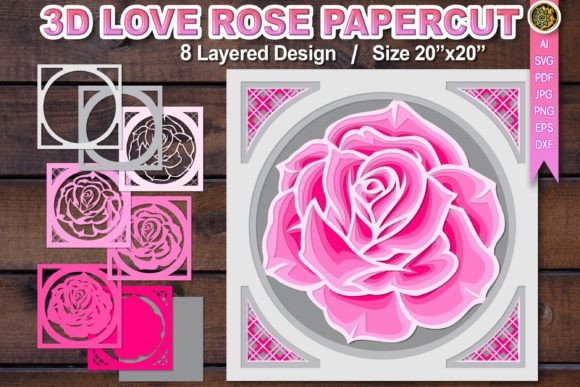
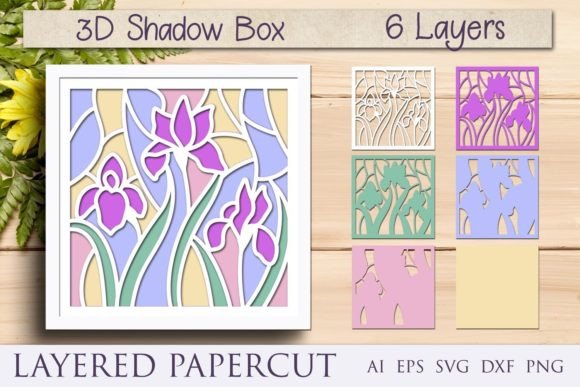
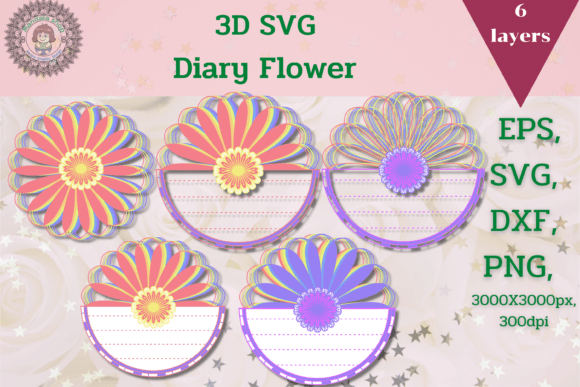
The 3D SVG Diary Flower is a premium 6 Layers of Mandala Flowers of different phases designed for all your creative artwork or DIY projects. The digital clip art collection is one zip folder that contains high-quality vector files. But does it translate well to a professional blog environment? Here is my review from the perspective of a digital publisher focused on performance and aesthetics.
First Impressions and Editorial Mood
When I first unpacked the 3D SVG Diary Flower, the immediate takeaway was its depth. Unlike flat illustrations that can sometimes feel dated or generic, these mandala flowers utilize layered vectors to create a sense of dimensionality without becoming cluttered. This creates an editorial mood that feels both modern and artistic. It strikes a balance between playful and sophisticated, making it versatile for a wide range of niches.
For lifestyle bloggers, wellness coaches, or creative entrepreneurs, this asset adds a touch of organic elegance. It suggests care and attention to detail—traits that readers subconsciously associate with high-quality content. If your website relies on a clean, minimal aesthetic, these flowers can serve as beautiful accents that break up text blocks without overwhelming the message. However, if you are running a corporate finance blog, this might be too decorative. For content marketing in the creative space, however, it fits perfectly into a modern design framework.
Real-World Publishing Applications
A design asset is only as good as its utility. In my workflow, I constantly test graphics across various touchpoints to ensure consistency. Here is how the 3D SVG Diary Flower performs in real publishing scenarios:
- Blog Featured Images: The layered structure allows the flower to stand out against solid color backgrounds, creating a strong focal point that draws the eye to your headline.
- Pinterest Pins: Pinterest is a visual search engine. These flowers add texture and intrigue to pins, increasing the likelihood of clicks. Their vertical-friendly composition works well when paired with bold text overlays.
- Newsletter Headers: Email clients can be tricky with images, but SVGs scale beautifully. Using these flowers in your email header adds a premium feel, reinforcing your brand identity every time a subscriber opens your mail.
- Digital Guides and Lead Magnets: When creating downloadable resources, worksheets, or eBooks, using consistent design assets helps unify the document. The mandala phases allow you to use different stages of the flower to represent progress or chapters within a guide.
- Social Media Graphics: Whether for Instagram posts or LinkedIn articles, these flowers provide a cohesive visual theme. They work particularly well as background elements behind quotes or key takeaways.
Supporting Content Performance
Why invest time in specific design assets? Because they directly impact user experience and trust. A polished website signals authority. When your visuals are sharp, scalable, and aesthetically pleasing, readers are more likely to stay longer and explore your content.
The 3D SVG Diary Flower supports stronger visual hierarchy. By placing these graphic elements strategically, you can guide the reader’s eye toward calls-to-action (CTAs) or important information. For affiliate marketers, this means higher potential for conversion. If your product reviews or recommendations are presented with professional-grade graphics, the perceived value of the recommendation increases.
Furthermore, consistency builds recognition. If you use these flowers across your website, social media, and email newsletters, you create a recognizable visual language. Over time, readers will associate that specific floral motif with your brand, improving recall and loyalty. This is a core principle of effective small business branding.
Strategic Placement and Best Practices
To get the most out of this asset, placement is key. Here is where it shines:
- Hero Images: Use a large, subtle version of the flower as a watermark or overlay in your hero section to add depth without distracting from your main message.
- Category Thumbnails: Create unique icons for different blog categories by isolating specific layers of the mandala. This helps users navigate your site intuitively.
- Editorial Accents: Use smaller instances of the flower to separate sections in long-form articles. This breaks up dense text and keeps readers engaged.
- Downloadable Resources: Incorporate the flowers into the covers of your freebies. A professional cover image significantly boosts download rates.
Where to Exercise Caution
No single asset is perfect for every context. There are situations where the 3D SVG Diary Flower should be used sparingly or avoided:
- Small Mobile Thumbnails: On very small screens, intricate details may blur or become indistinguishable. Test how the flower looks when scaled down to favicon size or mobile card previews.
- Text-Heavy Blog Images: Avoid placing complex floral designs directly behind dense paragraphs of text. This reduces readability and frustrates users. Always ensure high contrast between the graphic and the text.
- Busy Layouts: If your website already has many patterns, textures, or colorful elements, adding another decorative layer can create visual noise. Let the flowers breathe by pairing them with ample white space.
- Serious Professional Niches: For legal, medical, or strict corporate content, this asset may feel too whimsical. In these cases, opt for more geometric or abstract design elements.
Practical Publisher Notes for Implementation
Before integrating the 3D SVG Diary Flower into your live site, follow these technical checks to ensure optimal performance:
Test Across Devices: View your graphics on desktop, tablet, and mobile. Ensure the resolution remains crisp and the file size is optimized for fast loading. Slow load times hurt SEO and user experience.
Check Contrast and Readability: Preview your graphics against various background colors. Try placing them beside serif fonts for a classic look, sans-serif fonts for a modern feel, or script fonts for a personal touch. Ensure the text remains legible over any overlaid graphics.
Review File Size: Even though SVGs are lightweight, exporting them for web use requires optimization. Use tools to compress the files further without losing quality. Confirm that you have the correct commercial license if you are using these assets on monetized websites, affiliate pages, or paid content products.
Integrate with Canva Templates: If you use Canva for quick social media updates, import these SVGs into your brand kit. This ensures that even non-designers on your team can maintain visual consistency when creating social media graphics.
In conclusion, the 3D SVG Diary Flower is a versatile and high-quality addition to any digital publisher’s toolkit. It offers the depth and elegance needed to elevate simple blog posts into polished editorial experiences. By using it strategically, you can enhance your content marketing efforts, build trust with your audience, and create a visually stunning online presence that stands out in a crowded digital landscape.