Bicyclist Shadow Box 3D Svg Review
As a designer who spends more time than I care to admit staring at stitch patterns and debating thread colors, I approach every new digital asset with a healthy dose of skepticism. The market is flooded with generic clip art and poorly constructed vectors that fall apart the moment they hit the hoop. That is why I decided to put Bicyclist Shadow Box 3D Svg through its paces. I wasn’t just looking for a pretty picture; I was looking for a viable component in a real-world production workflow. Whether you are an Etsy seller scaling your shop or a hobbyist making a one-off gift, the difference between a design that looks "nice on screen" and one that stitches beautifully is everything.
First Impressions: Mood and Visual Personality
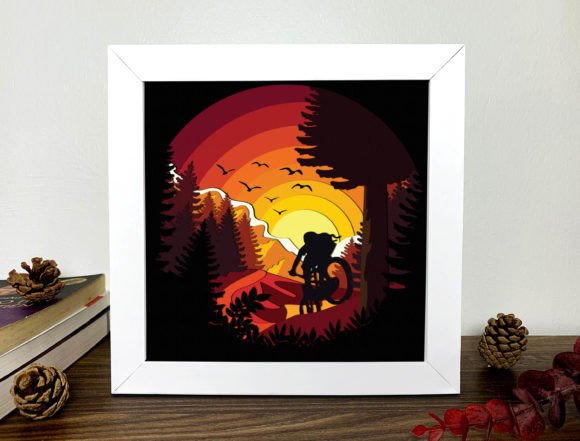
The moment I opened the file, the layout struck me as clean but dynamic. The name suggests a specific aesthetic—layered depth, perhaps reminiscent of shadow box art—but applied to a flat embroidery medium. The Bicyclist Shadow Box 3D Svg captures a sense of motion and nostalgia. It doesn’t scream for attention with chaotic details; instead, it offers a balanced composition that feels grounded. For a craft business owner, this is crucial. You want designs that feel intentional, not cluttered.
The visual personality leans towards rustic charm mixed with modern simplicity. This makes it incredibly versatile. It isn’t tied to a hyper-specific trend that will look dated in six months. Instead, it fits comfortably into broader categories like outdoor lifestyle, cycling culture, or general vintage-inspired decor. When I imagine this on a product, I immediately see it working well as a centerpiece rather than a tiny accent. It has enough visual weight to stand alone on a large tote bag or a sweatshirt chest area without looking lost.
Real-World Application: From Screen to Stitch
To truly evaluate this embroidery file, I had to think about where it would live in the physical world. Let’s talk about a custom embroidered tote bag design. This is a staple for any Etsy seller or small shop product line. If I were using the Bicyclist Shadow Box 3D Svg here, I would place it prominently on the front panel. The layered nature of the design translates surprisingly well to thread work, provided you respect the limits of the medium.
I also considered this for sweatshirt embroidery. A crewneck or hoodie in heather grey or navy blue would provide a perfect neutral backdrop. The design’s structure allows it to pop without overwhelming the garment. It gives the wearer a subtle nod to their interests without being overly loud. This subtlety is often what drives higher conversion rates in boutique branding because it appeals to customers who want quality over flashiness.
Another strong use case is the embroidered patch. While the original intent might be direct-to-garment, the distinct shapes within the Bicyclist Shadow Box 3D Svg could easily be adapted into a detachable patch for a denim jacket or a backpack. This expands the utility of the asset, allowing you to market it as part of a larger customization package. For commercial embroidery projects, having a design that can be used across multiple product types increases your return on investment significantly.
Technical Considerations and Potential Pitfalls
No design is perfect, and transparency is key for a helpful review. There are specific scenarios where the Bicyclist Shadow Box 3D Svg requires careful handling. First, let’s address the hoop size. This design is best suited for medium to large hoops. Attempting to force this into a very small hoop size will result in cramped stitching, distorted proportions, and potentially skipped stitches. Always check the digitizing scale before loading it into your machine.
Fabric choice is another critical factor. I strongly advise against using this on textured fabrics, thin fabric, or highly stretchy fabric unless you have extensive experience stabilizing them. The intricate details in the shadow box layers need a stable foundation to maintain clarity. On a slinky jersey or a rough burlap, the definition will be lost. For the best results, stick to stable cottons, linens, or blends. Dark fabric can work, but you must ensure high contrast in your thread colors. A dark design on black fabric will disappear, so plan your color palette carefully.
Furthermore, be mindful of dense stitch areas. If the design contains large blocks of fill stitch, test the stability first. Excessive density can cause puckering, especially on lighter garments like baby clothes or delicate aprons. If you are targeting the baby embroidery market, ensure the design is scaled appropriately and the stitch density is reduced if possible. Also, consider the washing instructions. Products that need frequent washing, such as kitchen towels or sportswear, require robust stitching. Delicate running stitch elements might fray or loosen over time if not anchored properly.
Stitch Clarity and Detail Management
The success of any machine embroidery design hinges on stitch clarity. The Bicyclist Shadow Box 3D Svg relies on the interplay between different stitch types to create its depth. Satin stitch edges define the boundaries, while fill and running stitches add texture. However, tiny lettering or extremely fine decorative accents can become muddy if the resolution is too low or the hoop moves during stitching. Before committing to a full run, inspect the small details closely. If parts of the design rely on negative space, ensure your hooping technique keeps the fabric taut enough to preserve those gaps.
Practical Designer Notes for Production
If you are planning to use this asset for a craft business or personal project, follow these practical steps to ensure a professional finished product:
- Test on Scrap Fabric: Never go straight to the final item. Stitch the design on a scrap piece of the same fabric type to check for tension issues and color accuracy.
- Check Thread Color Contrast: View your design in black and white mockups to ensure the contrast holds up. Colors that look distinct on screen may blend together under certain lighting conditions.
- Confirm Hoop Size: Verify that the design dimensions fit comfortably within your machine’s maximum hoop size, leaving room for hooping clamps.
- Use Proper Stabilizer: Match your stabilizer to the fabric weight. Cut-away stabilizers are generally safer for woven items, while tear-away may suffice for temporary projects on sturdy materials.
- Review Licensing: Before selling handmade products or digital previews, double-check the license terms. Some files are for personal use only, while others allow commercial sales of finished goods. Clarifying this protects your small shop product listings from legal issues.
Final Verdict: Value and Versatility
The Bicyclist Shadow Box 3D Svg is a solid addition to any designer’s library of design assets. It strikes a good balance between artistic flair and technical feasibility. It is not a gimmicky novelty; it is a well-structured design that respects the mechanics of embroidery. For creative entrepreneurs looking to expand their catalog with items like pillow covers, tea towels, or holiday gifts, this design offers a reliable way to add value and professionalism to your offerings.
It performs particularly well when marketed as a personalized gift. The theme is universal enough to appeal to a wide audience but specific enough to feel curated. Whether you are creating a unique wedding gift for a cycling enthusiast or a cozy winter accessory for a local market, this embroidery project provides a strong foundation. Just remember to manage your expectations regarding detail level and fabric compatibility. With proper preparation and testing, the Bicyclist Shadow Box 3D Svg can help you produce finished products that customers love and trust.