Gingerbread House 3D SVG: A Practical Review for Christmas Sellers
As a digital product creator who has spent years analyzing what converts on Etsy, Creative Fabrica, and Shopify, I approach every new asset with a mix of creative enthusiasm and commercial skepticism. When Gingerbread House 3D Papercraft landed in my inbox, I didn’t just see a cute holiday graphic; I saw potential inventory. The niche is saturated, yes, but the key to standing out in the Christmas category isn’t just having another gingerbread man—it’s offering unique, high-value experiences that customers can build, display, or customize.
This review breaks down how this specific graphic design asset performs when tested against real-world selling scenarios. Whether you are a seasoned Etsy seller, a print-on-demand entrepreneur, or a crafter looking to expand your digital download offerings, understanding the utility of a 3D SVG file is crucial for maximizing your seasonal revenue.
First Impressions: Mood and Market Fit
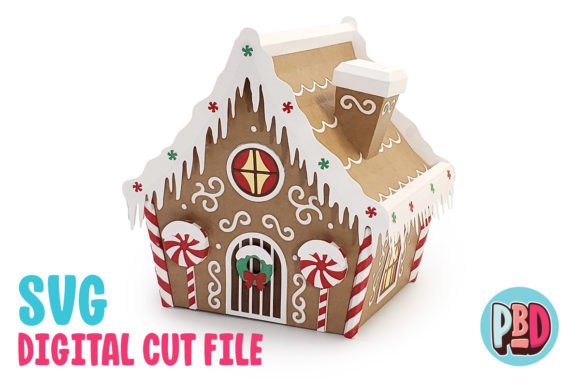
The immediate visual appeal of Gingerbread House 3D Papercraft strikes a balance between rustic charm and structural precision. It feels festive without being overly cluttered, which is a common pitfall in holiday design assets. The texture tips included in the instructions suggest a tactile quality that translates well into physical products. For buyers, this isn't just a flat image; it is an activity. This "build-your-own" aspect significantly increases perceived value compared to standard clipart.
The dimensions—9 W x 8.5 D x 9 H—are practical for tabletop decor, making it ideal for Cricut projects and home crafters. However, from a seller’s perspective, the versatility extends far beyond papercraft. The clean lines and distinct layers make it suitable for various formats, including PNG design files for sublimation or Svg design files for cutting machines. It appeals to the modern crafter who wants something that looks premium and handmade, yet is accessible enough for beginners.
Product Applications: Beyond the Papercraft Box
While the primary intent is a 3D structure, a smart commercial design strategy involves repurposing the core elements across multiple product types. Here is how I would test this asset across different categories before publishing a listing:
- Printable Wall Art & Nursery Prints: By isolating the house structure and simplifying the background, this illustration can become a charming piece of printable design for children’s rooms. The warm color palette fits perfectly with winter-themed nursery aesthetics.
- Greeting Cards & Invitations: The central motif works beautifully as a focal point for holiday cards. You can pair the SVG design with elegant typography to create invitation templates for holiday parties or family gatherings.
- Mug Designs & Tumbler Wraps: For sublimation design enthusiasts, the detailed textures provide excellent contrast on ceramic mugs and stainless steel tumblers. The 3D effect adds depth that prints vividly on these surfaces.
- Sticker Design & Planner Stickers: If you have access to vinyl cutters, this asset can be converted into die-cut stickers. However, care must be taken with the intricate details to ensure clean cuts.
- Canva Template Integration: Create ready-to-edit Canva template bundles where users can swap colors or add their own text over the gingerbread house base. This saves time for small business owners creating social media promos.
- T-Shirt Design & Apparel Graphics: For t-shirt design markets, simplifying the lines creates a bold, retro-style graphic that appeals to both kids and adults during the holiday season.
Visual Presentation and Mockup Strategy
In the world of digital products, your listing images are everything. A raw file does not sell; a lifestyle visualization does. To maximize click-through potential, you need to show how Gingerbread House 3D Papercraft looks in context.
I recommend testing this asset on realistic product mockup previews. Show the finished papercraft sitting on a mantel surrounded by pinecones and fairy lights. This visual storytelling helps customers imagine the item in their own homes, boosting trust and perceived value. Additionally, create thumbnail images that highlight the "3D" aspect. Use shadows and layering effects in your graphics to emphasize the depth of the 3D SVG structure.
For brand identity consistency, ensure your font choices complement the whimsical yet structured nature of the house. Pairing the illustration with a handwritten font for headings and a clean sans serif font for descriptions creates a professional look that stands out in crowded marketplaces.
Technical Considerations and Risk Management
Not every asset is created equal, and rigorous testing is required before adding this to your design bundle or shop inventory. Here are critical checks to perform:
- Cutting Line Verification: If selling as a Cricut project or Silhouette file, inspect the SVG code. Ensure there are no overlapping paths that could confuse cutting software. Test print a scaled-down version to verify that the adhesive holds the layers together properly.
- Resolution Checks: Always verify PNG transparency and resolution. For large product previews or posters, ensure the file is high-resolution (300 DPI) to avoid pixelation. Low-resolution files lead to refunds and negative reviews.
- Contrast Testing: Preview the design on both white and dark backgrounds. Some textures may disappear on dark substrates, while others might lose definition on light ones. Adjust brightness or contrast if necessary before finalizing your listing images.
- Complexity Assessment: While the 3D effect is appealing, overly complex layouts can be frustrating for novice crafters. Consider offering a simplified "flat" version alongside the 3D version to cater to a broader audience.
Commercial Licensing and Final Verdict
Before integrating Gingerbread House 3D Papercraft into any sellable products, confirm the commercial license terms. Most platforms require clear rights to resell modified or unmodified versions of the asset. Ensure you are compliant to protect your small business branding and avoid legal issues.
Ultimately, this asset offers strong potential for the Christmas market. Its blend of interactive papercraft and versatile graphic design makes it a valuable addition to any creative marketplace portfolio. By testing it across various formats—from social media graphics to physical merchandise—you can identify which revenue streams perform best. The inclusion of texturing tips adds educational value, enhancing the customer experience and reducing support queries.
If you are preparing a seasonal collection, this gingerbread house provides a solid foundation for a cohesive, high-quality product line. Focus on clean presentation, accurate technical files, and strategic bundling to turn this single illustration into a profitable seasonal asset.