River in Pine Tree Forest 3D SVG for Countries And Travel
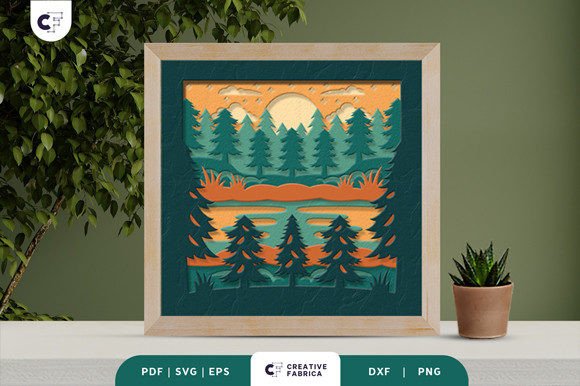
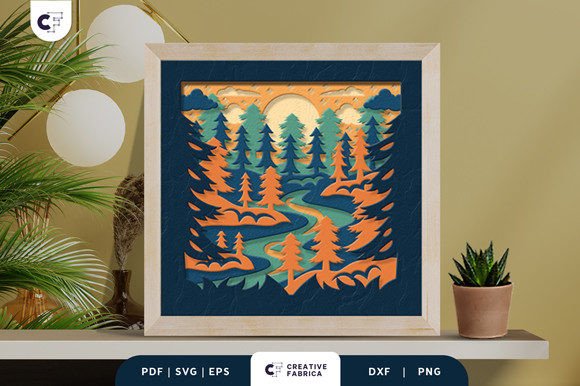
In the world of digital publishing, visual hierarchy is not just an aesthetic choice; it is a functional necessity. As a blog designer who has spent years refining editorial layouts and optimizing content for readability and engagement, I approach every graphic design asset with a critical eye. Does it load quickly? Does it convey the right mood? Does it support the brand identity without overwhelming the copy? Today, I am reviewing a specific design element that has caught my attention for its potential in travel and lifestyle niches: River in Pine Tree Forest 3D Paper Cut. This layered, square paper cutting template offers a unique opportunity to elevate standard web graphics into something more tactile and immersive.
The First Impression: Editorial Mood and Visual Impact
When you first encounter River in Pine Tree Forest 3D Paper Cut, the immediate takeaway is its depth. Unlike flat vector illustrations that have become ubiquitous in modern web design, this asset simulates physical layering. It creates a sense of shadow and dimension that mimics real-world paper crafts. For a content creator in the Countries And Travel sector, this translates to an editorial mood that is both adventurous and serene. The imagery evokes the tranquility of nature, suggesting a slower pace of life, exploration, and connection with the environment.
This visual style naturally supports content that aims to inspire rather than just inform. It feels artistic and modern, yet grounded by the organic shapes of the pine trees and the flowing river. It is not overly playful or childish, which makes it suitable for a broader audience, including adults seeking travel inspiration or wellness retreats. The clean lines and distinct layers allow it to function as a sophisticated decorative element that can anchor a page’s visual identity. When used correctly, it signals to the reader that the content within is curated, thoughtful, and high-quality.
Integrating Design Assets into Real Publishing Workflows
The true value of a digital download like this lies in its versatility across different publishing channels. In my workflow, I rarely use a single image format for all purposes. Instead, I adapt core assets to fit various touchpoints. Here is how River in Pine Tree Forest 3D Paper Cut fits into a comprehensive content marketing strategy:
- Blog Featured Images: The square aspect ratio makes it ideal for featured images on platforms like Pinterest or Instagram, where square formats dominate. The layered effect draws the eye, increasing click-through rates from social feeds.
- Website Headers and Banners: By cropping or scaling the design, it can serve as a hero image for landing pages dedicated to travel guides or nature-themed digital products. Its depth adds a premium feel to the site header.
- Pinterest Graphics: Since Pinterest is a visual discovery engine, assets with strong graphical interest perform well. This 3D SVG allows for creative overlays, such as adding text about "Top 10 Pine Forest Hikes" while keeping the background visually engaging.
- Digital Guides and Lead Magnets: If you are creating a downloadable PDF guide on eco-tourism or forest bathing, using this as the cover art or section divider enhances the perceived value of the lead magnet. It transforms a simple document into a polished digital product.
- Newsletter Graphics: Email headers benefit from breaking up blocks of text. A subtle use of this paper-cut style can add personality to your newsletter without distracting from the main message.
Enhancing Content Performance Through Visual Hierarchy
One of the most significant challenges in online publishing is maintaining reader trust and engagement. Readers subconsciously judge the credibility of a website based on its visual polish. Using a cohesive set of design assets helps establish a strong brand identity. When River in Pine Tree Forest 3D Paper Cut is used consistently across your blog, social media, and email campaigns, it creates a recognizable visual language.
This consistency improves user experience by providing clear visual cues. For instance, if every article about outdoor adventures features a similar nature-themed graphic style, readers will instantly recognize the topic before reading the headline. This strengthens category recognition and aids in navigation. Furthermore, the intricate details of the paper cut style encourage users to linger on the page, scanning the image for details, which can increase time-on-site metrics—a key factor in SEO performance.
Strategic Placement and Contextual Fit
While this asset is powerful, it is not a one-size-fits-all solution. Understanding where it works best is crucial for effective web design. The layered shadows and detailed cuts are most effective in larger formats where the viewer has time to appreciate the nuance. It shines as an editorial accent in long-form articles, perhaps separating sections about camping gear from hiking trails. It also works beautifully as a standalone graphic for affiliate marketing posts recommending outdoor equipment.
However, there are areas where caution is advised. On small mobile thumbnails, the fine details of the paper cut may become indistinct, resulting in a muddy appearance. In these cases, it is better to use a simplified version or a solid color block derived from the palette. Additionally, avoid placing this asset over busy backgrounds or low-contrast areas. The design relies on negative space to let the layers pop. If you are writing for a serious professional niche, such as corporate finance or legal advice, this whimsical, artistic style may clash with the required tone of authority and minimalism. It is best reserved for lifestyle, travel, education, and creative industries.
Practical Publisher Notes for Implementation
To get the most out of this commercial design asset, follow these technical and strategic guidelines:
- Test Across Devices: Always preview the graphic on both desktop and mobile screens. Ensure that the focal point of the river and trees remains visible on smaller viewports.
- Check Contrast and Readability: If you plan to overlay text, ensure there is sufficient contrast. Use semi-transparent overlays or place text in areas of the design that are less detailed.
- Font Pairing: Experiment with typography. This rustic yet modern design pairs well with serif fonts for a classic editorial look, or clean sans-serif fonts for a contemporary feel. Avoid overly ornate script fonts that might compete with the intricate layers.
- File Size Optimization: Although this is a vector SVG file, which is inherently lightweight, exporting it for web use (e.g., as PNG for compatibility) requires proper compression. Use tools to reduce file size without sacrificing quality to maintain fast page load speeds.
- Verify Licensing: Before using this asset on monetized websites, affiliate pages, or paid content products, confirm the commercial license terms. Ensure you have the right to use it for affiliate marketing and digital sales.
Ultimately, River in Pine Tree Forest 3D Paper Cut is more than just a decoration; it is a tool for storytelling. By integrating this creative design element into your publishing workflow, you create a richer, more immersive experience for your audience. Whether you are designing a new website, updating old blog posts, or creating a new line of digital downloads, this asset provides the visual depth needed to stand out in a crowded digital landscape. For bloggers and publishers looking to enhance their brand identity with a touch of natural elegance, this layered template is a valuable addition to any toolkit.