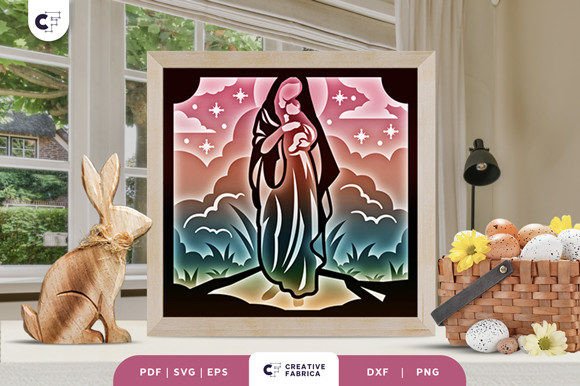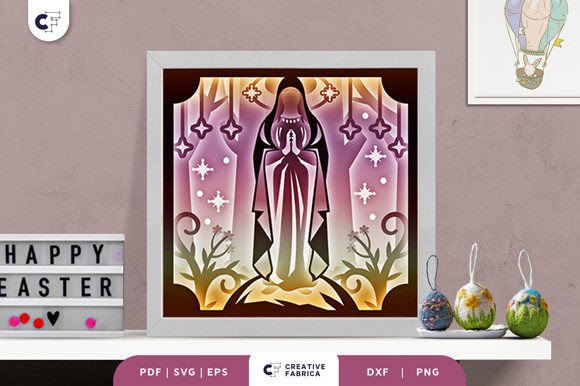
Virgin Mary 3D Shadow Box: A 3D SVG Easter Asset Review
In the world of digital publishing, visual communication is not merely decorative; it is foundational to reader trust and engagement. As a blog designer and digital publisher who has spent years refining editorial layouts and optimizing content for performance, I approach every graphic design asset with a critical eye. Does it elevate the brand? Does it support the message? And crucially, does it perform well across the diverse ecosystem of modern web design?
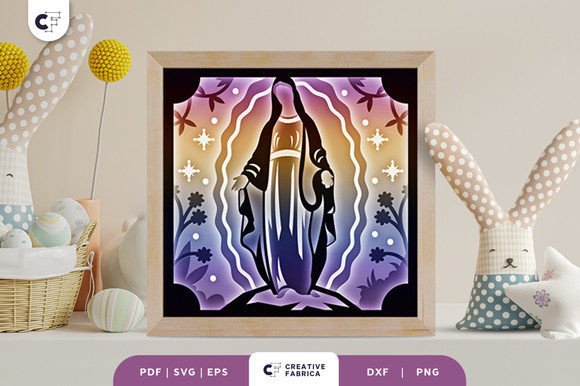
Recently, I evaluated the Virgin Mary 3D Shadow Box, a layered, square paper cutting template available in SVG format. Marketed originally with the greeting "Hello, crafters," this asset presents an interesting case study for those of us looking to integrate high-quality, thematic visuals into our content marketing strategies. While its origins lie in physical crafting and papercraft, its application as a digital product or printable design offers significant potential for specific niches within the broader landscape of content marketing.
The First Impression: Editorial Mood and Visual Identity
When you first load the Virgin Mary 3D Shadow Box file into your design software, the immediate takeaway is its structural integrity. The layered nature of the 3D SVG creates depth that flat illustrations often struggle to achieve. This depth translates directly into the editorial mood of your content. It feels artistic, reverent, and distinctly feminine, yet it maintains a clean, modern aesthetic that avoids feeling cluttered or overly ornate.
For bloggers and website owners in the faith-based, lifestyle, or seasonal niches, this asset establishes a tone of sophistication. It is not playful in a chaotic sense, nor is it strictly corporate. Instead, it strikes a balance between modern design and traditional reverence. This makes it particularly effective for Easter content, where the visual language needs to convey celebration and solemnity simultaneously. The square aspect ratio of the template also aligns perfectly with current trends in social media graphics and Pinterest pins, ensuring that the visual hierarchy remains balanced and focused.
Real-World Publishing Applications
The true value of a design asset is determined by its versatility in real-world workflows. Here is how the Virgin Mary 3D Shadow Box integrates into common publishing scenarios:
- Blog Featured Images and Headers: The layered effect adds dimension to article thumbnails, making them stand out in crowded feed layouts. When used as a website header or hero image background, it provides a strong visual anchor that draws the eye without overwhelming the headline text.
- Pinterest Graphics and Social Media Posts: In the realm of Pinterest pin creation, vertical or square compositions are king. The shadow box design offers intricate detail that rewards close viewing, encouraging users to click through to read more. It serves as an excellent social media graphic for driving traffic during peak seasonal periods like Easter.
- Digital Guides and Lead Magnets: For affiliate marketers and online educators creating downloadable resources, such as eBooks or worksheets, this asset can serve as a compelling cover image. Its polished look suggests high production value, which can increase perceived worth and improve download rates for your lead magnet.
- Newsletter Banners: Email marketing requires visuals that render quickly and look crisp on all devices. An SVG version of this shadow box ensures scalability, allowing you to create responsive newsletter graphics that maintain their sharp edges whether viewed on a desktop or a mobile screen.
- Category Thumbnails and Media Kits: Consistency is key to brand identity. Using this asset across category pages helps establish a recognizable visual system. It also works well in media kits to demonstrate a professional standard of creative design to potential sponsors or partners.
Impact on Content Performance and Reader Trust
Investing time in high-quality visual hierarchy pays dividends in user experience. When a reader lands on a page featuring the Virgin Mary 3D Shadow Box, the immediate perception is one of care and attention to detail. This subtle cue contributes to improved reader trust. In an era of low-effort AI-generated imagery, hand-crafted or precisely engineered vector designs signal human curation and editorial quality.
Furthermore, the distinctiveness of a 3D layered design aids in better category recognition. If your site covers multiple topics, having a dedicated visual style for religious or seasonal content helps users navigate your archive more intuitively. This consistency strengthens your small business branding and reinforces your commercial design standards, making your content feel more authoritative and reliable.
Strategic Placement and Design Considerations
While this asset is versatile, it is not a universal solution. Understanding where it thrives and where it struggles is essential for effective web design.
Where It Works Best:
- Hero Images: Large displays allow the layers of the shadow box to be appreciated fully.
- Editorial Accents: Use it as a standalone visual break within long-form articles to maintain reader engagement.
- Downloadable Resources: On eBook covers or printable sheets where the focus is entirely on the graphic.
- Social Media Previews: Where high contrast and detail attract clicks in a scroll-heavy environment.
Where to Use Carefully:
- Small Mobile Thumbnails: At very small sizes, the intricate layers may blur together, losing their impact. Test these closely.
- Text-Heavy Blog Images: Avoid placing dense body text directly over the detailed areas of the shadow box. Maintain clear negative space to ensure readability.
- Low-Contrast Backgrounds: The asset relies on shadows and light interaction. Placing it on a busy or low-contrast background can mute its 3D effect.
- Corporate or Serious Professional Niches: Depending on the industry, this artistic style may feel too decorative for strict corporate communications. Evaluate your brand identity guidelines before deployment.
Practical Publisher Notes for Implementation
To maximize the utility of this 3D SVG, consider the following technical checks during your workflow:
First, always test the asset on both desktop and mobile screens. Viewport size drastically changes how layered elements are perceived. Second, preview the graphic inside a real blog layout. Does it clash with your existing color palette? Does it compete with your typography? Third, check contrast and readability rigorously. Place the graphic beside serif font, sans serif font, script font, handwritten font, and display font styles to see what pairs best. Often, a clean sans-serif font complements the intricate lines of a shadow box design without competing for attention.
Additionally, review the file size for web performance. Even though SVGs are generally lightweight, complex layering can increase code bloat. Compress images properly and optimize the SVG code if necessary to ensure fast load times, which are critical for SEO and user retention. Finally, confirm your commercial license status. Before using any design assets on monetized websites, affiliate pages, or paid content products, ensure you have the right to use them commercially. This protects your online educator or publisher business from legal complications.
Conclusion
The Virgin Mary 3D Shadow Box is more than just a crafting template; it is a sophisticated graphic design asset that can elevate the visual narrative of your content. By understanding its strengths in creating depth and elegance, and by applying it strategically within your content marketing and affiliates marketing efforts, you can create a more polished, trustworthy, and engaging digital presence. Whether you are designing a Canva template for your audience or updating your site’s editorial design, this asset offers a beautiful way to celebrate seasonal themes with professional grace.