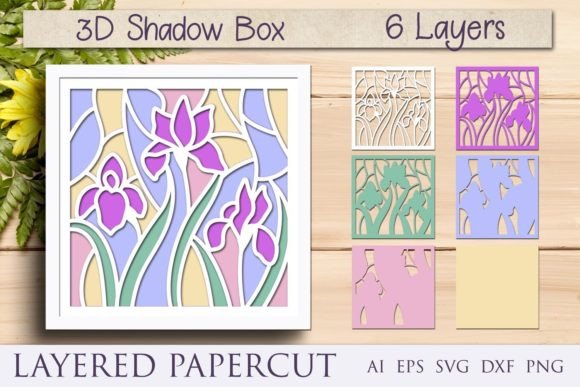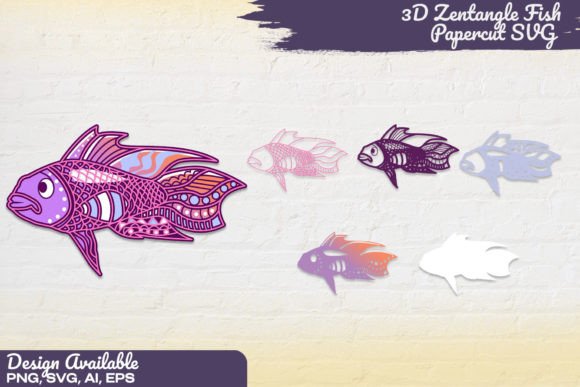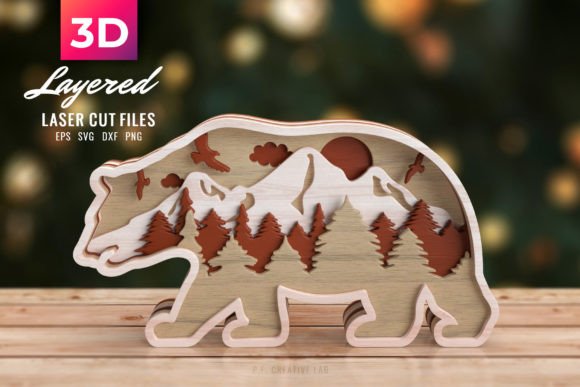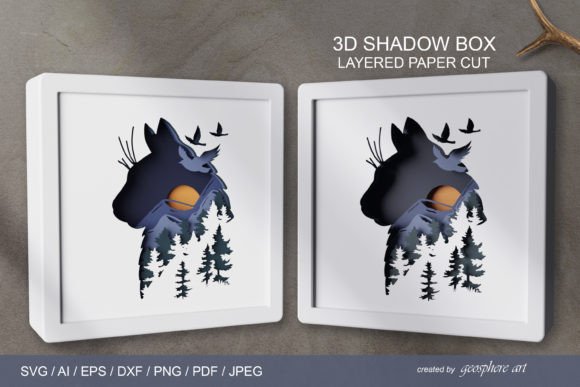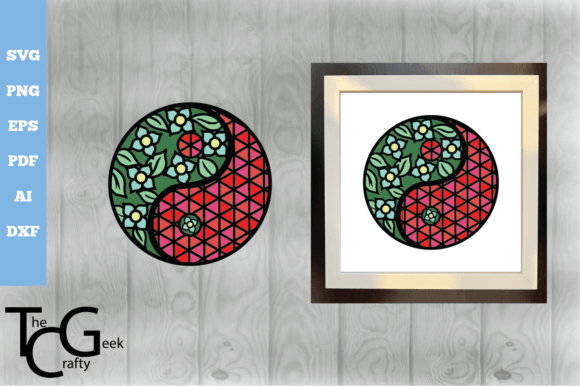
Yin Yang Shadow Box and 3D Layered SVG
In the world of digital publishing, visual communication is not merely decorative; it is foundational to reader trust and engagement. As a blog designer who has spent years refining editorial layouts for high-traffic content sites, I approach every new graphic design asset with a critical eye toward utility, aesthetic cohesion, and performance. Recently, I evaluated the Yin Yang Shadow Box and 3D Layered SVG for potential integration into our editorial workflow. This review outlines how this specific 3D SVG file performs in real-world publishing scenarios, from featured images to downloadable lead magnets.
First Impressions: Editorial Mood and Visual Identity
The moment you open the files for the Yin Yang Shadow Box and 3D Layered SVG, the quality of the vector paths becomes apparent. The design strikes a balance between artistic depth and clean geometry. It creates an editorial mood that feels both modern and timeless. For content creators in niches such as wellness, mindfulness, lifestyle branding, or even balanced business strategy, this asset provides an immediate visual cue of harmony and structure.
Unlike flat icons that can feel generic, the layered nature of this design adds dimensionality without overwhelming the layout. It feels professional yet accessible. The shadow box effect suggests depth, which can help break up large blocks of text on a website or add interest to a minimalist Pinterest pin. It supports a brand identity that values clarity, balance, and polished presentation. When used correctly, it elevates the perceived value of your content, signaling to readers that the information behind the image is equally well-crafted.
Integrating 3D SVGs into Real Publishing Workflows
One of the primary challenges in content marketing is maintaining consistency across multiple platforms. A single image often needs to serve as a blog header, a social media post, and a thumbnail for an email newsletter. The versatility of this design asset makes it a strong candidate for cross-platform use.
- Blog Featured Images: The layered depth works exceptionally well as a focal point in hero images. It draws the eye without competing with headline text, provided there is adequate negative space.
- Pinterest Graphics: Vertical formats benefit from the vertical stacking implied by the layers. This asset can anchor a Pinterest pin, making it stand out in a feed dominated by flat photography.
- Digital Guides and Lead Magnets: For those creating digital guides or printable design resources, the intricate layering adds a premium feel to covers and internal dividers.
- Newsletter Headers: The clean lines allow for easy overlay of text, ensuring that your newsletter graphics remain readable while still being visually engaging.
- Social Media Previews: Whether for Instagram carousels or Facebook posts, the geometric precision ensures the image looks sharp at various resolutions.
Impact on Content Performance and Reader Trust
Visual hierarchy is crucial for guiding a reader’s attention. A poorly designed graphic can distract from your message, whereas a well-chosen design asset reinforces it. The Yin Yang Shadow Box and 3D Layered SVG supports stronger first impressions by providing a sophisticated visual anchor. When users encounter consistent, high-quality visuals, their trust in the source increases.
This asset helps improve click-through potential by making content look clickable and valuable. In affiliate marketing, where visual appeal drives action, having polished social media graphics and website headers can significantly impact conversion rates. Furthermore, using a cohesive set of creative design elements strengthens your overall brand identity, making your site more recognizable and memorable.
Strategic Placement: Where It Works Best
To maximize the effectiveness of this web design element, consider where it fits within your editorial layout. It excels in areas where visual breathing room exists.
- Hero Images: Use it as a central element against a solid or gradient background to create a striking entry point.
- Article Thumbnails: Scale it down carefully to ensure the layers remain distinct but do not become muddy.
- Editorial Accents: Place smaller instances of the design alongside pull quotes or key takeaways to break up text.
- Category Visuals: Create a uniform look for category pages by using variations of this design in different color palettes.
- Downloadable Resources: Incorporate it into worksheets or checklists to add a touch of elegance to functional documents.
Areas Requiring Careful Consideration
No single asset is universally applicable. There are contexts where the Yin Yang Shadow Box and 3D Layered SVG may not be the optimal choice. Designers must exercise caution in the following scenarios:
- Small Mobile Thumbnails: On very small screens, the intricate layers may blur together, losing the intended 3D effect. Test these sizes rigorously.
- Text-Heavy Blog Images: If the background is busy or the text density is high, the detail of the SVG can create visual noise, reducing readability.
- Low-Contrast Backgrounds: Ensure sufficient contrast between the asset and its background to maintain visibility and accessibility standards.
- Serious Professional Niches: In highly corporate or legal environments, the artistic nature of the design might feel too playful or decorative compared to standard corporate imagery.
- Minimalist Visual Systems: If your brand relies on extreme minimalism, the complexity of nine layers might disrupt the clean aesthetic.
Practical Publisher Notes for Implementation
Before deploying this asset across your digital properties, several technical and strategic checks are necessary to ensure optimal performance and compliance.
First, always test the asset on both desktop and mobile screens. View it inside a real blog layout to see how it interacts with typography and whitespace. Check how it looks when scaled down to thumbnail size. Preview it inside a Canva template if you plan to offer customizable versions to your audience.
Typography pairing is also critical. Try placing the design beside serif fonts for a classic editorial look, sans-serif fonts for a modern feel, script fonts for a softer aesthetic, handwritten fonts for a personal touch, and display fonts for bold statements. Review how the weight of the font complements the weight of the SVG layers.
Technical optimization cannot be overlooked. Review the file size for web performance. While SVGs are generally lightweight, complex layered designs can sometimes increase load times if not optimized. Compress images properly before uploading them to your media library. Confirm commercial licensing before using the asset on monetized websites, affiliate pages, or paid content products. Ensuring you have the correct commercial license protects your business and allows you to use the digital download freely in your small business branding efforts.
Final Verdict
The Yin Yang Shadow Box and 3D Layered SVG is a robust tool for any publisher seeking to enhance their visual storytelling. Its ability to convey balance and depth makes it suitable for a wide range of content types, from educational blogs to lifestyle brands. By integrating this asset thoughtfully, respecting its technical limitations, and aligning it with your brand’s voice, you can create a more engaging, trustworthy, and professional online presence. For designers looking to expand their library of design assets, this inclusion of a shadow box version and a 3D layered papercut version offers significant value for modern digital publishing.